April 21, 2026
Installing a home backup system requires thoughtful preparation, especially when planning for an electrical generator installation. Homeowners need to evaluate their energy demands, select appropriate equipment, and ensure the property is ready for safe integration. A well-planned approach helps reduce complications during setup and supports long-term reliability when power interruptions occur. Proper preparation also ensures that the system aligns with safety codes and performs efficiently under load.
Many households pursue generator installation as a way to maintain essential functions during outages. According to Zipdo, about 55% of residential generators are installed specifically for backup during power outages, which reflects how commonly homeowners prioritize emergency readiness. Careful planning at the beginning stage helps ensure the system delivers consistent performance when it is needed most.
Assess Power Needs
Evaluating energy requirements is the first step before any installation begins, as it establishes a clear understanding of what the generator must support during an outage. Homeowners should carefully identify which appliances and systems are essential for daily function, including refrigeration units, heating and cooling systems, lighting circuits, sump pumps, and communication devices. In some homes, medical equipment also becomes a critical priority, requiring consistent and uninterrupted power to maintain safety and comfort.
Once essential devices are identified, total energy consumption must be calculated by reviewing the wattage ratings of each item. This process involves adding both running wattage and the higher startup surges that certain appliances require when first turning on, since these temporary spikes can significantly affect system performance. Failing to account for surge demands may lead to overload conditions or unexpected shutdowns during peak usage. Establishing an accurate total load provides a reliable baseline for system sizing and supports a successful electrical generator installation planning process that aligns with household needs.
Future energy demands should also be considered during this stage to ensure long-term flexibility. Changes such as home additions, new appliances, electric heating upgrades, or shifts in daily routines can increase overall electricity usage over time. Accounting for potential growth helps prevent the system from becoming undersized shortly after installation. Planning with added capacity ensures the generator continues to meet household demands without requiring immediate upgrades after an electrical generator installation is completed, supporting both efficiency and long-term reliability.
Select the Right Type of Generator
Choosing between portable and standby systems depends on how the home will use backup power. Portable units offer flexibility and can support temporary needs, but they require manual setup during outages. Standby systems are permanently installed and activate automatically, making them more convenient for consistent protection during a generator installation project.
Fuel type also plays an important role in system selection. Gasoline models are widely available but may require frequent refueling. Diesel units provide strong efficiency for extended use, while propane options offer cleaner combustion and longer storage stability. Each option affects performance, cost, and maintenance requirements.
Noise output and environmental impact should also be reviewed before finalizing equipment. Quieter models improve comfort for both homeowners and neighbors. Emission standards may influence what systems are approved in certain areas, making compliance an important part of planning an electrical generator installation.
Choose the Installation Location
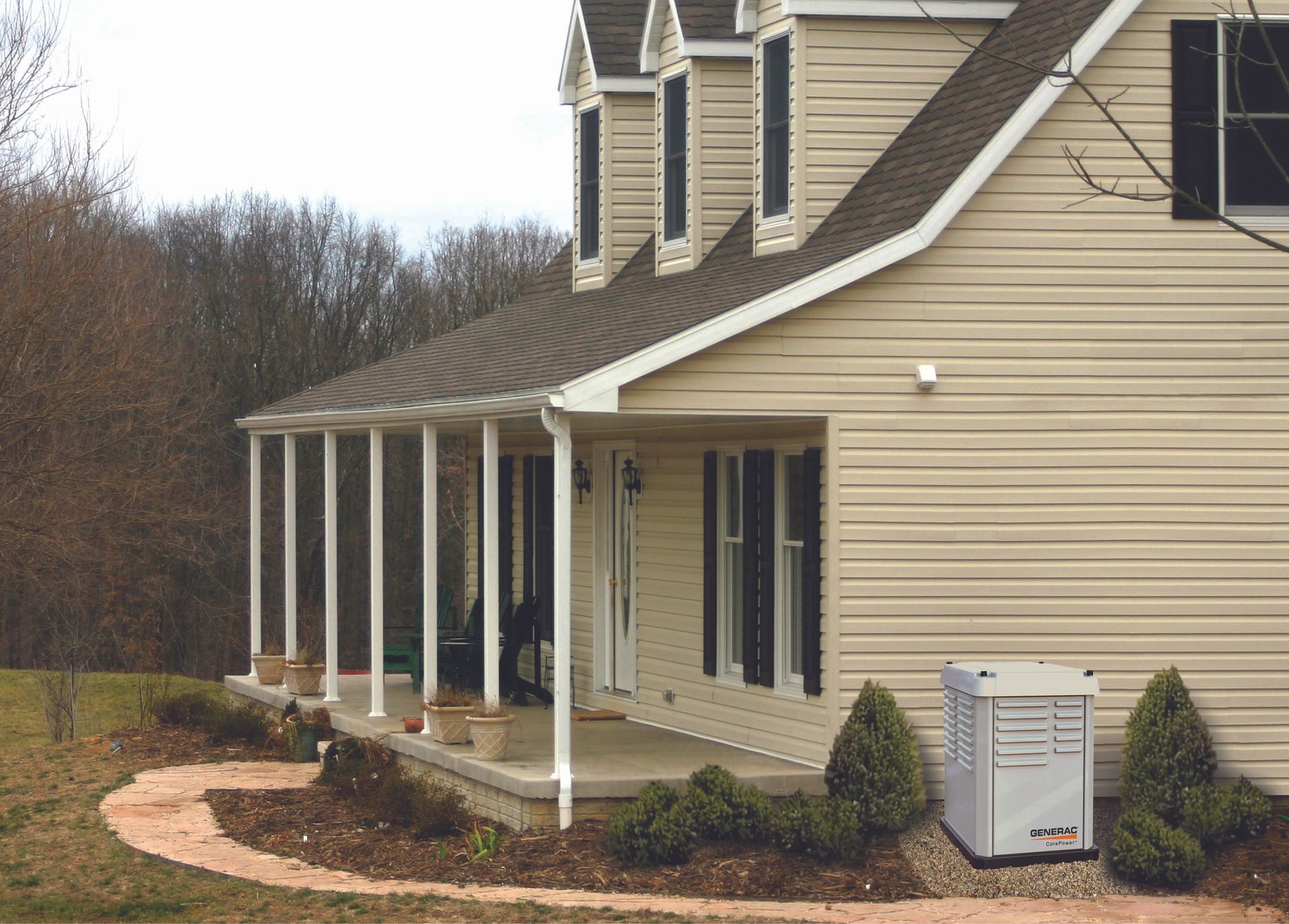
Selecting a safe and compliant location is essential for system performance and household safety. Outdoor placement is required to prevent exhaust buildup and reduce the risk of carbon monoxide entering the home, while maintaining adequate distance from windows, doors, vents, and other openings helps limit exposure to harmful gases. The site should also allow for proper airflow around the unit so heat and exhaust can dissipate efficiently during operation. These considerations are central to a proper electrical generator installation process and help ensure the system functions safely under all operating conditions.
The chosen site should also provide convenient access to fuel sources and support efficient day-to-day operation. Placing the generator closer to existing gas or propane lines can simplify routing and reduce installation complexity, but safety regulations and code requirements must always take priority over convenience or layout preferences. Ground stability, clearance space, and positioning relative to utility connections all play a role in long-term performance. A balanced layout supports both functionality and compliance, making the generator installation more reliable while reducing potential operational issues over time.
Maintenance access and environmental protection are equally important when finalizing placement. Technicians require sufficient clearance on all sides of the unit to perform inspections, testing, and repairs without obstruction, which helps keep service work efficient and consistent. Proper ventilation must be maintained at all times to prevent overheating and support safe engine operation during extended use. Locations exposed to heavy runoff should be avoided to protect the equipment from water damage and ensure long-term dependability after an electrical generator installation is completed.
Prepare the Site
Site preparation begins with clearing debris and leveling the ground to create a stable base. A solid foundation prevents shifting and supports long-term durability. This step is essential before moving forward with any electrical generator installation work.
A concrete pad is commonly used to support the unit and reduce vibration. It also elevates the generator above ground moisture, improving protection against weather conditions. This structural support helps maintain steady performance under varying operating conditions.
Drainage and protective enclosures further improve system reliability. Proper water management prevents pooling near the equipment, while weatherproof coverings shield it from rain and snow. These measures extend service life and support safe operation following generator installation.
Prepare Electrical Systems
Electrical system readiness is required before connecting a generator. Many homes need panel upgrades to handle additional load capacity safely. A licensed electrician ensures the system meets code requirements and supports stable energy distribution during an electrical generator installation.
A transfer switch must also be installed to separate utility power from generator power. This device prevents backfeeding, which protects utility workers and household systems. It allows smooth transitions during outages and ensures controlled energy flow.
Wiring, surge protection, and testing complete the preparation process. Proper wiring prevents overloads, while surge devices protect sensitive electronics from voltage spikes. Load testing confirms the system can handle household demand, supporting a reliable generator installation outcome.
Hire a Professional Installer
Working with a qualified installer ensures the system is set up safely and correctly. Licensed professionals understand electrical codes, fuel requirements, and placement standards. Their expertise reduces risk and supports a compliant electrical generator installation process from start to finish.
Comparing estimates and reviewing experience helps homeowners choose the right contractor. Past project examples and client feedback provide insight into workmanship quality and reliability. Clear communication about timelines also helps avoid delays during installation.
Service agreements and maintenance planning should be discussed before work begins. Routine inspections help maintain performance and extend system lifespan. Emergency service availability adds an extra layer of support after the installation is complete.
Preparing a home for backup power requires careful attention to system sizing, equipment selection, site readiness, and electrical integration. Each step plays a role in ensuring safe operation and long-term reliability. A properly planned setup reduces risks and supports dependable performance when outages occur.
With the right preparation and professional guidance, an electrical generator installation can provide consistent protection for essential household systems. To ensure a smooth process from planning through completion, we at Triangle Refrigeration Inc are ready to install a solution that fits your home’s needs.